 admin
admin
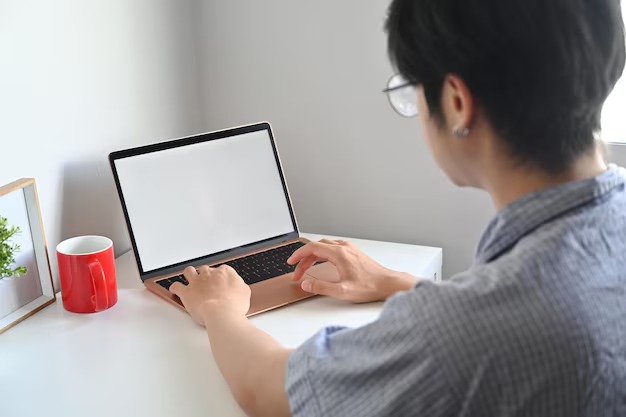
Office syndrome is a term that has become increasingly familiar in our modern work culture, referring to the collection of ailments and discomforts experienced by individuals who spend prolonged periods sitting at desks or working on computers. As more people engage in sedentary office jobs, the prevalence of this condition has surged, making it a significant concern for employers and employees alike. The symptoms commonly associated with office syndrome include neck pain, backaches, shoulder stiffness, wrist strain, and even headaches. These issues arise from poor posture, repetitive movements, and extended hours spent in static positions.
The root cause of office syndrome can often be traced back to ergonomically inadequate workspaces combined with insufficient physical activity throughout the day. When employees remain seated for long durations without breaks or movement, their muscles tend to become tense and fatigued. Over time, this can lead to musculoskeletal imbalances and chronic pain conditions that negatively impact productivity and overall well-being.
In addressing Office syndrome effectively, one crucial strategy is incorporating regular stretching exercises into daily routines. Stretching serves as an excellent counterbalance to the rigidity of desk-bound activities by promoting flexibility and circulation while relieving muscle tension. By engaging in simple stretches periodically during work hours, individuals can mitigate the adverse effects of prolonged sitting.
Stretching offers numerous benefits beyond alleviating immediate discomforts; it enhances blood flow to muscles and joints which aids in delivering essential nutrients necessary for repair and recovery processes within tissues strained due to inactivity or improper posture over time—this improved circulation results not only helps reduce fatigue but also boosts mental alertness allowing workers better focus on tasks at hand thereby enhancing efficiency levels significantly.
Moreover practicing consistent stretching habits fosters greater awareness about one’s body positioning encouraging conscious efforts towards maintaining correct postural alignment whether seated standing walking etcetera thus preventing future occurrences related complications altogether eventually leading healthier lifestyle choices outside workplace environment too!
Ultimately combating office syndrome requires collective effort both individual organizational levels recognizing value investing resources fostering sustainable practices promote holistic approach addressing challenges posed modern-day occupations involving extensive computer usage sedentary lifestyles alike Through embracing integrating regular stretching regimens alongside ergonomic adjustments workplaces society stands chance overcoming obstacles presented ensuring workforce remains healthy productive thriving long run!